Watauga, TX · Tarrant County
Basement Water Removal in Watauga, TXBasement Floor Water Damage & Basement Moisture Inspection
Basement Water Removal in Watauga covers basement water pump out, basement wall drying and basement dehumidification after a flood.
Answered 24/7
Reliable Basement Water Removal Near Watauga, Texas
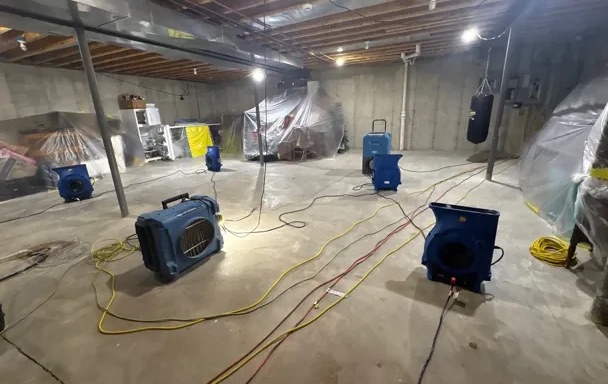
Dehumidification is the slow but necessary part of basement water removal in Watauga. Pumps remove standing water quickly, but walls and concrete keep releasing moisture for days.
Few homes in Watauga have basements, so this work usually covers the lowest part of a home: a sunken room, a below-grade garage, a utility room or a crawl space.
A single storm or burst pipe in Watauga can flood a basement. Local basement water removal pros serve Watauga and nearby North Richland Hills, Richland Hills and Haltom City, with help available around the clock.
Professional Basement Water Removal Offerings
Basement Floor Water Damage
Flooring that buckled or swelled is removed. Tile and sealed concrete can often be cleaned and dried in place.
Basement Moisture Inspection
Moisture meters and thermal cameras check walls, floors and the slab for water that is not visible, including behind finished walls.
Basement Dehumidification
Dehumidifiers run continuously during drying, and their output is checked to track how much water is still coming out of the materials.
Basement Drying Services
Drying plans for basements account for cool air and thick concrete, which hold moisture longer than upper floors.
Emergency Basement Flooding
Help is available any hour when water is rising in the basement from a storm, a sewer backup or a burst pipe.
When to Call for Basement Water Removal in Watauga
Musty Odors and Mold Smell
A musty or damp smell in the basement points to wet materials hidden somewhere in the space.
Rusted Appliances or Furniture
Rust on appliance bases, furniture legs or metal shelving points to standing water or long-term dampness.
Water Stains on Walls or Ceiling
Stains on lower walls or the ceiling below a bathroom or kitchen point to a leak.
Wet or Damp Basement Walls
Basement walls that look dark, feel damp or show tide lines are taking on or holding water.
How Basement Water Removal Works in Watauga
Step 1: Source Control and Water Pump Out
The leak is shut off and standing water is pumped out, starting at the lowest point.
Step 2: Water Extraction
Extractors pull water from carpet, pad and concrete, and wet vacs clear corners and stairs.
Step 3: Dehumidification and Drying
Large dehumidifiers and air movers dry walls, framing and slab over several days.
Step 4: Inspection and Clearance for Repair
Final readings confirm the basement is dry and ready for drywall and flooring repairs.
What Causes Water Damage in Basements
Plumbing Leaks or Pipe Bursts
Supply lines, drain pipes and water heaters in the basement can leak or burst onto the floor.
Appliance Malfunctions and Overflows
Washers, utility sinks and water softeners in the basement can overflow or leak.
Clogged or Damaged Gutters
Clogged gutters and short downspouts dump roof water right next to the foundation.
Window Well Leaks and Drainage
Window wells without drains or covers fill with rain and leak through the windows.
Basement Water Removal for Homes and Businesses
Residential Basement Water Removal
Finished basements used as bedrooms or family rooms need careful moisture checks behind walls and under flooring, since that is where water hides.
Commercial Basement Water Removal
Businesses with below-grade storage need wet inventory moved out and documented. Drying is planned around daily operations wherever possible.
When to Hire Local Pros for Basement Water Removal
A small puddle on bare concrete can be handled with a wet vac, towels and a dehumidifier. Call the pros if water reached carpet, drywall or framing, or covers much of the floor.
What Influences the Price of Basement Water Removal
In Watauga, the drying phase usually costs more than the pumping, because basements need equipment running for several days.
Additional Services
Antimicrobial treatment, contents cleaning and repairs after drying add to the cost.
Contamination Level
Sewage or dirty water needs protective gear, removal and disinfection, which costs more.
Basement Square Footage
Larger basements need more extraction, more drying equipment and more days of drying.
Does Insurance Cover Basement Water Removal?
Ask your adjuster early how your policy treats seepage and sewer backups, since many policies limit or exclude both kinds of water.
Advantages of Local Basement Water Removal Experts
Moisture Inspection
Meters and thermal cameras find water in walls, floors and slab that looks dry.
Methodical Water Removal Process
Water is removed in a set order: pump-out, extraction, removal of soaked materials, then drying.
Contamination Safety Protocols
Sewage and dirty water are handled with protective gear, containment and disinfection.
Emergency Basement Water Removal Available 24/7
If water is near outlets, the furnace or the electrical panel, stay out of it. Call (945) 298-8767 for help in Watauga and wait for power to be made safe.
Call Now (945) 298-8767Basement Water Removal Throughout Tarrant County
Nearby areas served for basement water removal include North Richland Hills, Richland Hills and Haltom City, with the same pumping and drying steps used in Watauga.
- Basement Water Removal in North Richland Hills
- Basement Water Removal in Richland Hills
- Basement Water Removal in Haltom City
- Basement Water Removal in Keller
- Basement Water Removal in Hurst
- Basement Water Removal in Saginaw
- Basement Water Removal in Colleyville
- Basement Water Removal in Bedford
- Emergency Damage Restoration in 76137
- Storm Damage Restoration in 76137
- Water Damage Restoration in 76137
- Water Extraction Service in 76137
- Water Leak Detection in 76137
- Water Removal Service in 76137
- Emergency Damage Restoration in 76148
- Storm Damage Restoration in 76148
Basement Water Removal FAQs
Why is basement dehumidification important after pumping?
Walls and concrete keep releasing moisture for days. Dehumidifiers remove it so the basement does not stay damp.
What is the difference between a pump out and extraction?
A pump out removes deep standing water. Extraction pulls the remaining water from carpet, pad and floors.
What happens during basement moisture control?
Dehumidifiers and air movers keep humidity low while materials dry, and readings confirm when the space is normal.
What equipment is used for basement water extraction?
Submersible pumps, extractors, wet vacs, air movers, large dehumidifiers and moisture meters to confirm drying.
Why is fast water removal so important for basements?
Basements dry slowly, so every hour of standing water adds drying days and more materials to replace.