Little Elm, TX · Denton County
Hydrostatic Pressure Water Removal in Little Elm, TXFoundation Crack Water Infiltration & Groundwater Intrusion Mitigation
Hydrostatic Pressure Water Removal in Little Elm covers groundwater intrusion mitigation, wet subfloor removal and crawl space water extraction.
Answered 24/7
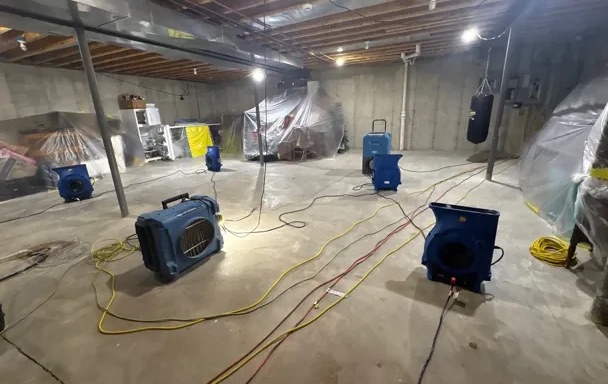
Expert Hydrostatic Pressure Water Removal Serving Little Elm, TX
Water that keeps coming up through a slab damages flooring and keeps the lower level damp. Removing it is the water side of the job, and a structural check is a separate step for a contractor.
Specialized Hydrostatic Pressure Water Removal for Little Elm
Foundation Crack Water Infiltration
Even hairline cracks can let in a lot of water when the soil is soaked. The water inside is removed, and sealing the crack is left to a foundation contractor.
Groundwater Intrusion Mitigation
Repeated groundwater problems need two steps: remove the water now, then have a contractor look at drainage, grading or downspouts sending water to the foundation.
Structural Drying After Intrusion
Wet framing and subfloor need to be dried, not just the floor surface. Local hydrostatic pressure experts set up a drying plan and check readings until the materials are dry.
Slab Seepage Water Removal
Groundwater pushed up through a concrete slab can leave damp spots or a thin sheet of water. It is extracted and the slab and flooring are dried.
Slab Leak Water Removal
Water pooling on a concrete slab often indicates a plumbing leak or hydrostatic pressure forcing moisture upward.
Symptoms That Require Hydrostatic Pressure Water Removal
Gurgling Sounds From Floor Drains
Gurgling floor drains during heavy rain can mean water pressure is building in the drain lines around the house.
Spongy or Soft Spots on Floors
Damp spots or lifting flooring on a slab can mean water is coming up from below.
High Indoor Humidity Levels
High humidity in lower levels that does not go away can mean water is seeping through the foundation.
Mold on Baseboards
Mold along baseboards or lower walls points to ongoing moisture coming through the foundation.
How Hydrostatic Pressure Water Removal Works in Little Elm
Step 1: Initial Pressure Evaluation
The pros look at where the water came in and how wet the soil-side walls and floor are.
Step 2: Sub-Slab Water Removal
Using specialized extraction tools, pros remove water trapped beneath concrete slabs and flooring.
Step 3: Targeted Structural Drying
Drying equipment is aimed at framing, joists and sill plates so the structure dries all the way through.
Step 4: Documentation for Insurance
Moisture readings, photos and notes on the work are put together for your insurance claim.
How Hydrostatic Pressure Creates Water Removal Emergencies
Improper Landscaping and Irrigation
Landscaping that slopes toward the house, or heavy watering near it, adds water to the soil against the foundation.
Clogged or Collapsed Footing Drains
When perimeter drains clog or fail, water has nowhere to go and presses against the walls and slab.
Failed or Missing Waterproofing
Worn exterior coatings or membranes let groundwater reach the foundation wall directly.
Foundation Settlement and Cracks
As a foundation settles, cracks form and give groundwater a direct path inside.
Hydrostatic Pressure Water Removal for All Property Types
Residential Hydrostatic Pressure Water Removal
In homes, water through the foundation can reach framing and wiring in the lower level. Local hydrostatic pressure experts remove the water and dry the structure, and a foundation contractor handles any cracks.
Commercial Hydrostatic Pressure Water Removal
Warehouses and plants on slab floors can take on water from below. Industrial equipment removes it and dries the large floor area so work can resume.
Hydrostatic Pressure Water Removal: Why DIY Falls Short
If you see minor dampness, move valuables and boxes away from the wet walls. If water is standing on the floor or coming through the floor or walls, call (945) 298-8767, since that usually means steady pressure from outside.
Understanding Hydrostatic Pressure Water Removal Expenses
The cost of removing water that comes up through a slab depends on how easy the area is to reach, how wet it is and how long drying takes.
Equipment Needs
Large pumps and industrial dehumidifiers for big jobs add to the equipment cost.
Mitigation Measures
Drainage or waterproofing work to stop water from returning is a separate cost from the water removal.
Structural Complexity
Tight crawl spaces and complex foundations make water removal and drying slower.
Does Insurance Cover Hydrostatic Pressure Water Removal?
Coverage for crawl space water often depends on the cause, such as groundwater versus a plumbing leak. The experts in Denton County document the water and damage for you to send to your insurer.
The Value of Local Pros for Hydrostatic Pressure Water Removal
Structural Damage Assessment
The pros check where water came in and which materials it reached before drying starts.
Methodical Cleanup Process
Each step, from extraction to final readings, is done in order so nothing is left wet.
Targeted Groundwater Extraction
Equipment made for tight spaces removes water from crawl spaces and around slabs.
Emergency Hydrostatic Pressure Water Removal in Little Elm
Water forced in through a foundation crack can spread across a floor quickly. Call (945) 298-8767 any time for help with water removal and drying in Little Elm.
Call Now (945) 298-8767Hydrostatic Pressure Water Removal for Little Elm and Nearby Communities
Help with hydrostatic pressure water removal is available for properties in Little Elm and nearby Hackberry, Oak Point and Savannah.
- Hydrostatic Pressure Water Removal in Hackberry
- Hydrostatic Pressure Water Removal in Oak Point
- Hydrostatic Pressure Water Removal in Savannah
- Hydrostatic Pressure Water Removal in Providence Village
- Hydrostatic Pressure Water Removal in The Colony
- Hydrostatic Pressure Water Removal in Corinth
- Hydrostatic Pressure Water Removal in Frisco
- Hydrostatic Pressure Water Removal in Aubrey
- Emergency Damage Restoration in 75068
- Storm Damage Restoration in 75068
- Water Damage Restoration in 75068
- Water Extraction Service in 75068
- Water Leak Detection in 75068
- Water Removal Service in 75068
Hydrostatic Pressure Water Removal in Little Elm: Your Questions
Why is subfloor drying services important after flooding?
Drying the subfloor keeps it from rotting and growing mold, which protects the floor system above it.
What equipment is used for groundwater extraction?
Groundwater extraction uses submersible pumps for deep water, wet-dry vacuums for shallow flooding, and specialized extractors for under-slab water removal.
Will drying stop water from coming back?
No. Drying fixes the damage that is already there. Keeping water out takes drainage, grading or waterproofing work by a contractor.
How does foundation water removal work?
Standing water is extracted, the structure is dried with dehumidifiers and air movers, and the place where water came in is noted.
How long does drying take after groundwater comes in?
Most jobs take several days of drying. Waterproofing repairs, if needed, are a separate job for a waterproofing contractor.