Trophy Club, TX · Denton County
Hydrostatic Pressure Water Removal in Trophy Club, TXGroundwater Intrusion Mitigation & Foundation Crack Water Infiltration
Hydrostatic Pressure Water Removal in Trophy Club covers groundwater intrusion mitigation, wet subfloor removal and crawl space water extraction.
Answered 24/7
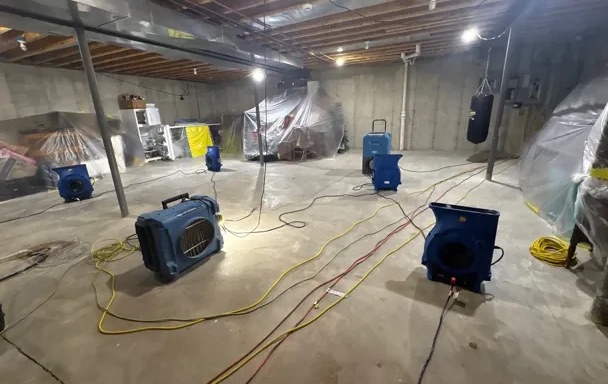
Hydrostatic Pressure Water Removal Solutions for Trophy Club Homes
Water that keeps coming up through a slab damages flooring and keeps the lower level damp. Removing it is the water side of the job, and a structural check is a separate step for a contractor.
Hydrostatic Pressure Water Removal Services in Trophy Club
Groundwater Intrusion Mitigation
Moisture readings and entry points are recorded during the work, which helps plan both the drying and any drainage changes outside.
Foundation Crack Water Infiltration
Even hairline cracks can let in a lot of water when the soil is soaked. The water inside is removed, and sealing the crack is left to a foundation contractor.
Crawl Space Water Extraction
Water accumulation in crawl spaces due to hydrostatic pressure can compromise air quality and structural integrity.
Wet Subfloor Removal
Water damage pros assess the damage, remove the compromised materials, and ensure the underlying joists are dry and sound before reconstruction.
Structural Drying After Intrusion
After water is pushed inside, air movers and dehumidifiers dry the wood, concrete and drywall it reached so rot and mold do not start.
Symptoms That Require Hydrostatic Pressure Water Removal
High Indoor Humidity Levels
High humidity in lower levels that does not go away can mean water is seeping through the foundation.
Efflorescence on Concrete Surfaces
White, chalky deposits on foundation walls or the slab show water has been pushing through the concrete.
Warped or Buckling Flooring
Flooring that warps or buckles near walls can mean water is coming up from below and the subfloor is wet.
Spongy or Soft Spots on Floors
Damp spots or lifting flooring on a slab can mean water is coming up from below.
How Hydrostatic Pressure Water Removal Works in Trophy Club
Step 1: Initial Pressure Evaluation
The pros look at where the water came in and how wet the soil-side walls and floor are.
Step 2: Sub-Slab Water Removal
Using specialized extraction tools, pros remove water trapped beneath concrete slabs and flooring.
Step 3: Targeted Structural Drying
Drying equipment is aimed at framing, joists and sill plates so the structure dries all the way through.
Step 4: Documentation for Insurance
Moisture readings, photos and notes on the work are put together for your insurance claim.
Sources Requiring Hydrostatic Pressure Water Removal
Failed or Missing Waterproofing
Worn exterior coatings or membranes let groundwater reach the foundation wall directly.
Improper Landscaping and Irrigation
Landscaping that slopes toward the house, or heavy watering near it, adds water to the soil against the foundation.
Poor Exterior Drainage Systems
Clogged gutters, downspouts and poor grading send water toward the foundation, where it builds pressure in the soil.
Soil Expansion and Contraction
Clay soil swells when wet, adding pressure on foundation walls and opening paths for water.
Hydrostatic Pressure Water Removal for Foundation Protection
Residential Hydrostatic Pressure Water Removal
In homes, groundwater pushed through a wall or slab can soak flooring and drywall. Fast extraction and drying keep the damage from spreading to walls and stored items.
Commercial Hydrostatic Pressure Water Removal
Restaurants, medical offices, and other sensitive environments require meticulous groundwater extraction and sanitization after water intrusion. Specialized water removal pros ensure these spaces meet strict hygiene standards.
Hydrostatic Pressure Water Removal vs. DIY: When to Call the Pros
Checking known foundation cracks for changes in width or new moisture is a reasonable DIY task. If water starts flowing through any crack, stop monitoring and call for water removal and repair right away.
Factors Affecting Hydrostatic Pressure Water Removal Pricing in Trophy Club
Groundwater cleanup cost around Roanoke, Southlake and Keller depends on how strong the pressure is, which materials are affected and how much waterproofing repair is needed.
Affected Area Size
Larger flooded areas or large wet subfloors need more equipment and more days of drying.
Mitigation Measures
Drainage or waterproofing work to stop water from returning is a separate cost from the water removal.
Structural Complexity
Tight crawl spaces and complex foundations make water removal and drying slower.
Does Insurance Cover Hydrostatic Pressure Water Removal?
Coverage for structural drying depends on your policy's limits and exclusions. The professionals provide moisture maps and drying logs, so check the details with your agent.
Benefits of Local Pros for Hydrostatic Pressure Issues
Methodical Cleanup Process
Each step, from extraction to final readings, is done in order so nothing is left wet.
Detailed Documentation
Photos and moisture logs of the work are kept to support your insurance claim.
IICRC-Standard Drying Methods
Drying the structure fully after water intrusion protects the foundation and framing from lasting damage.
24/7 Emergency Hydrostatic Pressure Water Removal in Trophy Club
Emergency groundwater intrusion cleanup is available around the clock for properties in the Trophy Club area, by calling (945) 298-8767. The professionals pump out crawl spaces and start drying.
Call Now (945) 298-8767Areas Served for Hydrostatic Pressure Water Removal Near Trophy Club
From slab seepage to water through foundation cracks, the professionals work in Trophy Club and nearby Roanoke, Southlake and Keller.
- Hydrostatic Pressure Water Removal in Roanoke
- Hydrostatic Pressure Water Removal in Southlake
- Hydrostatic Pressure Water Removal in Keller
- Hydrostatic Pressure Water Removal in Flower Mound
- Hydrostatic Pressure Water Removal in Lantana
- Hydrostatic Pressure Water Removal in Argyle
- Hydrostatic Pressure Water Removal in Justin
- Hydrostatic Pressure Water Removal in Highland Village
Common Hydrostatic Pressure Water Removal Questions Answered
How does foundation water removal work?
Standing water is extracted, the structure is dried with dehumidifiers and air movers, and the place where water came in is noted.
What equipment is used for groundwater extraction?
Groundwater extraction uses submersible pumps for deep water, wet-dry vacuums for shallow flooding, and specialized extractors for under-slab water removal.
Will drying stop water from coming back?
No. Drying fixes the damage that is already there. Keeping water out takes drainage, grading or waterproofing work by a contractor.
What causes foundation crack water infiltration?
Usually water pressure from soaked soil, or settlement cracks that give groundwater a path into the building.
How long does drying take after groundwater comes in?
Most jobs take several days of drying. Waterproofing repairs, if needed, are a separate job for a waterproofing contractor.