Trusted by 180+ Homeowners
Sewage Water Removal in Allen, TX
- Over 180 5-Star Reviews
- Free Estimates and Quotes
- 100% Satisfaction Guaranteed
- Child, Family & Pet Safe Steps
- 24-Hour Emergency Service
- Fully Licensed & Insured

Sewage Water Removal in Allen, TX: What You Need to Know
Did you know that sewage water removal in Allen, TX, can cost homeowners an average of $3,000 to $10,000? This is because sewage backups often need specialized equipment and a thorough cleanup process to prevent further damage and health risks. Our team has helped many homeowners in the area navigate the complexities of sewage water removal, and we’re here to guide you through the process. Don’t risk your family’s health and safety by delaying the cleanup. Act quickly to reduce damage and costs. Contact us today for a free estimate.
With over 165 five-star reviews, our team has established itself as a trusted and reliable partner for homeowners in Allen, TX. We understand the unique challenges of sewage water removal and have the expertise to handle even the toughest jobs. Our technicians are IICRC-certified and equipped with the latest technology to ensure a safe and efficient cleanup.
- We help prevent further damage by extracting water and drying the affected area quickly and thoroughly.
- We work with your insurance company to ensure a smooth claims process and reduce your out-of-pocket expenses.
- We provide a comprehensive documentation of the damage and the cleanup process to support your insurance claim.
How Sewage Water Removal Works
Sewage water removal is a complex process that needs specialized equipment and expertise to ensure a safe and effective cleanup. Our team follows a strict protocol to prevent further damage and health risks. The process begins with a thorough assessment of the affected area to find out the source and extent of the damage. Our technicians then use specialized equipment to extract the sewage water and dry the area.
Step 1: Assessment and Containment
Our team will assess the affected area to find out the source and extent of the damage. We will then contain the area to prevent further damage and health risks. This is a critical step in preventing further damage and ensuring a safe cleanup.
Step 2: Water Extraction
Our technicians will use specialized equipment to extract the sewage water from the affected area. This may involve the use of pumps, wet vacuums, and other equipment to remove the water and prevent further damage. Our goal is to extract as much water as possible to prevent further damage and reduce the risk of mold and bacteria growth.
Step 3: Drying and Dehumidification
Once the water has been extracted, our team will use specialized equipment to dry and dehumidify the affected area. This may involve the use of industrial fans, dehumidifiers, and other equipment to remove excess moisture and prevent further damage. Our goal is to dry the area quickly and thoroughly to prevent further damage and health risks.
Step 4: Sanitizing and Disinfecting
Once the area has been dried, our team will sanitize and disinfect the affected area to prevent the growth of mold and bacteria. This may involve the use of specialized equipment and cleaning solutions to ensure a safe and healthy environment. Our goal is to leave your home safe and healthy for you and your family.
Don’t wait until it’s too late to act. Contact us today for a free estimate and let us guide you through the sewage water removal process. We’ll work with your insurance company to ensure a smooth claims process and reduce your out-of-pocket expenses. Our technicians are IICRC-certified and equipped with the latest technology to ensure a safe and efficient cleanup.

Warning Signs You Need Sewage Water Removal
Don’t ignore these warning signs, which can show a sewage backup or overflow. Catching these signs early can save you money and prevent bigger problems. Don’t risk your family’s health and safety by delaying the cleanup.
Musty Odors That Won’t Go Away
Strong, unpleasant odors that persist even after cleaning may show a sewage backup or overflow. Don’t ignore these odors, which can be a sign of a more serious problem.
Water Damage or Stains
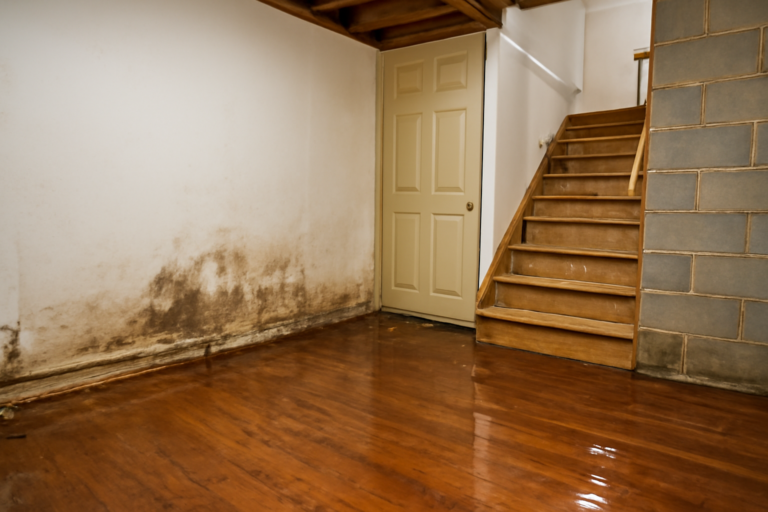
Water damage or stains on walls, ceilings, or floors may show a sewage backup or overflow. Don’t ignore these signs, which can be a sign of a more serious problem.
Backed-Up Toilets or Drains
Backed-up toilets or drains may show a sewage backup or overflow. Don’t ignore these signs, which can be a sign of a more serious problem.
Sewage Smells in the Air
Sewage smells in the air may show a sewage backup or overflow. Don’t ignore these signs, which can be a sign of a more serious problem.
Water Leaks or Puddles
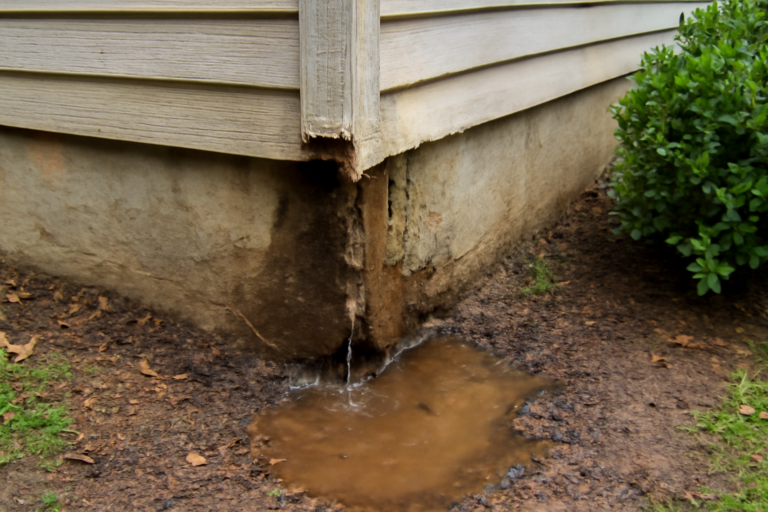
Water leaks or puddles under sinks, toilets, or around appliances may show a sewage backup or overflow. Don’t ignore these signs, which can be a sign of a more serious problem.
Sewage Water Removal vs. DIY: When to Call a Professional
| Situation | DIY? | Call a Pro? | Why |
|---|---|---|---|
| Sewage backup or overflow in a small area (less than 100 sq. Ft.) | Yes | No | DIY cleanup is usually safe and effective for small areas. |
| Sewage backup or overflow in a large area (over 100 sq. Ft.) | No | Yes | Large areas need specialized equipment and expertise to prevent further damage and health risks. |
| Presence of standing water or sewage odors | No | Yes | Standing water and sewage odors can show a more serious problem that needs professional attention. |
| Insurance claim or water damage to multiple rooms | No | Yes | Professional help is necessary to document damage and negotiate with insurance companies. |
| Presence of mold or bacteria growth | No | Yes | Mold and bacteria growth need specialized cleaning and disinfecting to prevent health risks. |
Don’t risk your family’s health and safety by trying a DIY cleanup. Contact us today for a free estimate and let our IICRC-certified technicians handle the sewage water removal process. We’ll work with your insurance company to ensure a smooth claims process and reduce your out-of-pocket expenses.
Sewage Water Removal Cost in Allen, TX
The cost of sewage water removal in Allen, TX, varies depending on the severity and size of the affected area. Our estimates are based on the following factors: severity of damage, size of affected area, and local conditions.
| Service | Typical Price Range | What Affects Cost |
|---|---|---|
| Assessment and Containment | $500 – $2,000 | Size of affected area and severity of damage. |
| Water Extraction | $1,000 – $5,000 | Amount of water extracted and equipment used. |
| Drying and Dehumidification | $1,000 – $3,000 | Size of affected area and equipment used. |
| Sanitizing and Disinfecting | $500 – $2,000 | Size of affected area and equipment used. |
| Insurance Claim Support | $0 – $1,000 | Complexity of claim and insurance company requirements. |
Exact pricing depends on an on-site assessment and a free estimate is available. Contact us today to schedule an appointment and let our IICRC-certified technicians handle the sewage water removal process. We’ll work with your insurance company to ensure a smooth claims process and reduce your out-of-pocket expenses.
Service Areas Near Allen, TX
We serve the following nearby communities: Plano, TX, Richardson, TX, Garland, TX, McKinney, TX, Frisco, TX, Lewisville, TX, Carrollton, TX, Coppell, TX, and more.
Common Questions About Sewage Water Removal
Q: How long does sewage water removal take?
A: The length of time required for sewage water removal varies depending on the severity and size of the affected area. Our technicians will work efficiently to reduce downtime and get your home back to normal as quickly as possible. We typically complete the cleanup process within 3-5 days.
Q: Is sewage water removal covered by insurance?
A: Yes, sewage water removal is typically covered by homeowners insurance. But, the process of filing a claim can be complex, and our team is here to help. We’ll work with your insurance company to ensure a smooth claims process and reduce your out-of-pocket expenses.
Q: Can I use bleach to clean up sewage water?
A: No, bleach is not a recommended cleaning solution for sewage water. Bleach can actually make the problem worse by pushing the bacteria and contaminants deeper into the affected area. Our technicians use specialized equipment and cleaning solutions to ensure a safe and effective cleanup.
Q: Do I need to evacuate my home during sewage water removal?
A: In most cases, it’s not necessary to evacuate your home during sewage water removal. But, our technicians will assess the situation and provide guidance on the best course of action. Our goal is to reduce disruption to your daily life while ensuring a safe and effective cleanup.
Check Our Other Relevant Services

James Craft is a licensed Damage Restoration Expert with over 20 years of hands-on experience in disaster recovery and property mitigation. As a seasoned industry authority, James has dedicated two decades to mastering the technical complexities of structural drying and environmental safety, providing homeowners with the reliable expertise and steady leadership required to navigate high-stress property losses with total confidence.
𝗖𝗲𝗿𝘁𝗶𝗳𝗶𝗰𝗮𝘁𝗶𝗼𝗻𝘀: James holds elite IICRC credentials, including Water Damage Restoration (WRT), Applied Structural Drying (ASD), Mold Remediation (AMRT), Fire and Smoke Restoration (FSRT), and Odor Control (OCT).
𝗙𝗮𝘃𝗼𝗿𝗶𝘁𝗲 𝗣𝗮𝘀𝘁𝗶𝗺𝗲: When off-site, James is a passionate woodworker and an avid hiker who finds balance in the precision of craftsmanship and the tranquility of nature.
𝗕𝗲𝘀𝘁 𝗣𝗮𝗿𝘁 𝗼𝗳 𝘁𝗵𝗲 𝗷𝗼𝗯: He finds the most fulfillment in providing a clear path forward for families, turning a site of devastation back into a safe, comfortable home.